


Intermittent fasting improves metabolic outcomes in metabolic syndrome: a systematic review and meta-analysis with GRADE evaluation
Your body usually burns glucose (sugar) for energy, but after about 10 to 12 hours without food your glucose stores run low. In animal studies, it has been shown that intermittent fasting does not improve insulin sensitivity and maximal longevity of male GHR-KO (growth hormone receptor-ko) mice, even though these improve in non-GHR-KO males from the same strain36). Also, researchers don’t know if different fasting cycles have the same benefits.

Popular Health Centers
Many “experts” have seized upon this principle—ignoring all other variables—to design their weight loss programs. These programs are typically calorie restriction diets, and they work for weight loss. When it comes to gaining or losing weight, a fat calorie has different effects than a carbohydrate calorie. reviews of unimeal And you have to account for leptin, insulin, and a bunch of other hormones. Changes in the gut microbiota related to metabolic diseases differ in men and women. Estrogen and testosterone seem to influence the sexual dimorphism of the gut microbiota and the development of metabolic diseases.
Product Reviews
Leptin secretion is mainly activated via insulin-induced alterations in adipocyte metabolism. Alterations of insulin concentrations triggered by lower energy intake during Ramadan may therefore lead to shifts in leptin concentrations. Moreover, meal timing alternates the diurnal rhythm of leptin by alterations in insulin secretion20). Another meta-analysis showed that fasting and energy-restricted diets lead to drops in leptin21).
How to Lose Weight Safely
Another really cool thing that happens during Phase 2 is that the growth regulator called mTOR goes down, which opens the door to a process called autophagy. This is the breakdown state, where you’re putting all those stored nutrients to use. This is the point where your glycogen stores are being broken down and used for energy. Longer fasts typically give you faster results but you do them less often. Shorter fasts take a bit longer to produce the results and are done more frequently. As a result, our bodies have evolved mechanisms to adapt and really benefit from times of lower food availability.
(This means cells can take in glucose efficiently, allowing blood sugar to return to normal after eating.) Data shows that following a two-day fast, insulin sensitivity remained improved through the “feeding” days. Continuous fasting for 24 hours is a form of intermittent fasting. After a day, you can return to your normal diet until the next fasting period.
- Furthermore, fasting regimens have been shown to increase lipolysis and decrease lipid synthesis, thereby improving dyslipidemia (10).
- It’s a geeky question, but bear with me for a second if you want to learn something new.
- Alternate-day modified fasting is eating a typical diet one day and only about 25% of your typical calories the next day.
- Sure, if you chronically restrict calories—or starve for many days on end—your metabolic rate will tank.
- One study showed that fasting induces an acute and distinct diurnal rhythm in systemic ghrelin levels followed by similar changes in serum GH levels34).
- Ghrelin is mainly released in the stomach, therefore the stomach might affect the anterior pituitary35).
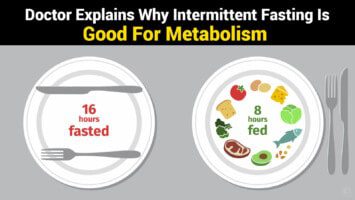
Some evidence suggests that a 16-hour fasting, 8-hour eating cycle may raise heart disease risk compared with other time-restricted eating cycles. It’s a thoughtful approach to eating that aligns with how our bodies evolved to function. Whether you’re seeking to shed a few pounds, boost your metabolism, or simply try something new, intermittent fasting could be worth exploring. As the fasting period prolongs, the body increasingly depends on gluconeogenesis to meet its glucose requirements. At the same time, the body primarily derives energy from a breakdown of fat and the utilization of ketone bodies, entering a state called ketosis.
Why Intermittent Fasting Works
Despite expectations based on earlier research, the ChronoFast study found no clinically meaningful changes in insulin sensitivity, blood sugar, blood fats, or inflammatory markers after the two-week interventions. “Our results suggest that the health benefits observed in earlier studies were likely due to unintended calorie reduction, rather than the shortened eating period itself,” explains Ramich. In adult men with prediabetes and obesity, a 6-hour period of eating followed by 18 hours of fasting improved their blood sugar levels. But intermittent fasting—or periodically limiting calories—is www.hellopeter.com/unimeal a different beast altogether.
For weight loss, minimally processed diets beat ultra-processed versions
(A) Forest plot of intermittent fasting vs. control on FBS level. (B) Forest plot of intermittent fasting vs. control on the BS level. (C) Forest plot of intermittent fasting vs. control on insulin level. (D) Forest plot of intermittent fasting vs. control on HOMA-IR level. (E) Forest plot of intermittent fasting vs. control on HbA1c level. Studies have found green tea contains a compound called epigallocatechin gallate, which may increase the calories and fat you burn.
Blood Sugar and Blood Pressure Management
Responsible fasting is a natural way to align with your body’s circadian rhythm. Choose an eating method that suits your needs and remember to listen to your body. You will stay in control of your journey and can make adjustments as needed. The GRADE quality of evidence for the effect of fasting on FBS, insulin, HOMA-IR, HbA1c, TC, LDL-C, and IL-6 levels was assessed as high, suggesting the robustness of the results.
And if you’re wondering how long it takes to get to that fat-burning stage at the end of phase 2, it really depends on what you’ve eaten. The higher your diet is in carbohydrates and starch, the longer it’s going to take to burn through those stores and reach that fat-burning stage. This is a growth phase, because you’re using the energy you just ate for energy and for cellular and tissue growth. Your pancreas secretes insulin and starts using up the glucose in your bloodstream and storing the excess in your cells.
Protection against metabolic diseases:
IF can improve blood lipid levels, meaning it helps lower total cholesterol, LDL cholesterol, and triglycerides in both overweight and non-overweight individuals. This is likely partially due to the anti-inflammatory effects of IF and the metabolic shift that results in less accumulation of triglycerides in the liver. By managing these levels, your body can protect itself against multiple diseases like diabetes, cancer, hypertension, and metabolic syndrome.
The benefits of fasting for metabolic health
Use Lumen to gain greater insight into your personal optimal fasting window for you and how you personally respond to periods of intermittent fasting. Remember that there are several different ways to practice intermittent fasting. There is no one-size-fits-all method, and the correct method will depend on your personal health history. Before making any changes to your diet, please consult with your healthcare professional. There are several proposed benefits of intermittent fasting, all of which are strongly correlated with the reduction in inflammation and cellular autophagy that is seen in IF.
Targeting Metabolic Vulnerability: Fasting Mimicking Diets and TNBC Sensitization
With regard to adiponectin, increases may also be achieved when energy intake is ≤50% of normal maintenance21). Adiponectin is anti-inflammatory and anti-atherogenic and adiponectin may be negatively correlated with visceral adiposity and insulin resistance22). Also, the ratio of adiponectin/leptin can be a marker of insulin resistance, more so than adiponectin or leptin alone23). The adiponectin/leptin ratio diminishes with the severity of metabolic syndrome, meaning that this ratio can be utilized as a marker for metabolic syndrome24). Obese individuals tend to have increased lipid deposition in skeletal muscle5). Interestingly, acute, prolonged fasts, can lead to the development of insulin resistance6).
However, the effect of fasting was considered moderate for TG and TNF-α values (Table 4). Forest plot of intermittent fasting vs. control on inflammatory markers. (A) Forest plot of intermittent fasting vs. control on TC level. (B) Forest plot of intermittent fasting vs. control on TG level.
No Comments