


Is Intermittent Fasting Good For You? Facts vs Hype
The hormonal changes in your body that result from intermittent fasting make stored fat more accessible to burn, which often leads to weight loss. This can be accomplished by not eating from dinner one day until dinner the next day. Water, coffee, and other zero-calorie beverages are allowed, but no solid foods should be consumed during this period. Dr. Lampert completed her doctorate degree in Nutrition and Epidemiology and Master of Public Health degree in Public Health Nutrition at the University of Minnesota.
Is intermittent fasting healthy? Does anyone here do it?
Although there’s lots of room for interpretation around that loose definition, most of the time, when you hear someone talking about intermittent fasting, they’re talking about time-restricted eating plans. Or you may choose a different window that works better with your life and schedule. It’s human nature for people to want to reward themselves after doing very hard work, such as exercise or fasting for a long period of time, so there is a danger of indulging in unhealthy dietary habits on non-fasting days.
Pros and Cons of the 16/18 Method
A growing body of evidence suggests that the approach has benefits beyond weight loss. It seems to help with a slew of other health concerns faced by many people 50 plus, including improved cognitive function, cellular rejuvenation, increased longevity, reduced inflammation, better circadian rhythm and digestion. If you’re used to eating frequently, going without food for a while can sometimes lead to headaches, fatigue and even lightheadedness. You might also feel a bit cranky — what many call “hangry” — or find it harder to concentrate.
Binge Eating Disorder
This is an easier fasting pattern for people who do not snack after reviews of unimeal dinner or eat breakfast immediately upon rising. While fasting for long periods of time, ketones can make up to 70% of the brain’s fuel supply. Ketones have many beneficial impacts on the brain like reduced inflammation and improved tissue regeneration. If you’re considering this form of diet, you should first consult your GP or medical practitioner to confirm it is appropriate and safe for you.
Intermittent Fasting Benefits
But eating earlier could mean more success with intermittent fasting. While celebrities often have the advantage of working with a team of professionals to guide their nutrition and exercise 24/7, most “regular” people don’t. But what we do have is a wealth of proven strategies to optimize your nutrition and overall health alongside the eating plan you choose.
Health Conditions
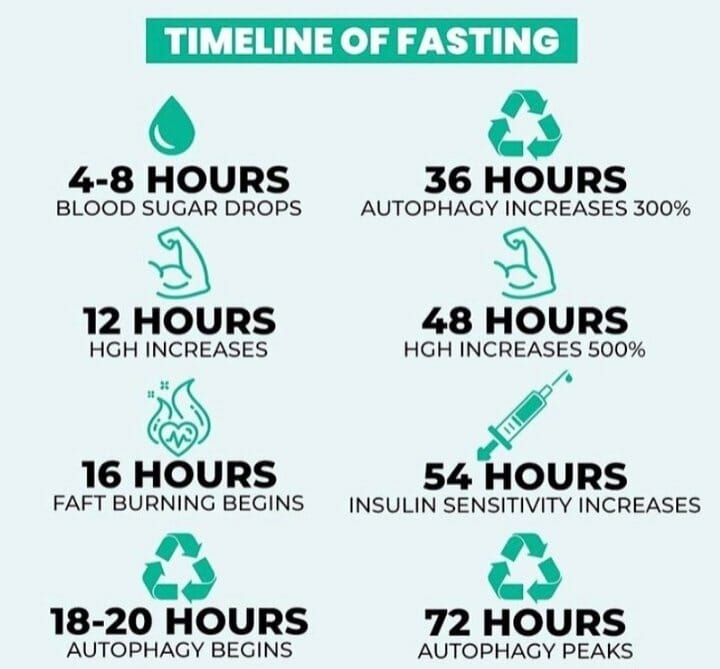
It’s also important to eat healthy foods during your eight-hour window of eating. Intermittent fasting can lead to physiological changes as the body shifts from glucose to stored fat for energy. During this transition, individuals may experience disruptions in blood sugar levels, such as hypoglycemia (low blood sugar). It’s worth noting that untreated hypoglycemia can lead to serious neurological consequences, such as seizures and brain damage. During fasting, ketone bodies contribute to around 60% of the energy in the brain, replacing glucose as the primary energy source [118]. In cases of AD, Parkinson’s disease (PD), Amyotrophic lateral sclerosis (ALS), Frontotemporal dementia (FTD), and Huntington’s disease (HD), disease severity is in part due to glucose hypometabolism in affected areas [119–122].
According to a 2023 research review, studies have shown that, for females who are an average weight, IF could harm reproductive health and performance if it causes insufficient calorie intake, especially in athletes. As a result, humans evolved to be able to function without food for extended periods of time. The ketogenic diet, keto, is a low-carb, high-fat diet focused on lowering your body’s insulin levels and relying on ketones, chemicals made in your liver that break down fat, to fuel the body. For women of reproductive age, the timing of a fast may be best performed during the follicular (early) stage of the menstrual cycle.
Baby Food
Some people who take medications for blood pressure or heart disease also may be more prone to imbalances of sodium, potassium, and other minerals during longer-than-normal periods of fasting. Two common effects of calorie-restricted diets—a slowed metabolism and increased appetite—are just as likely when people practice intermittent fasting as when they cut calories every day. And in studies of time-restricted eating, evidence is accumulating that eating that misaligns with a person’s circadian rhythm (your body’s natural daily pattern) may led to metabolic trouble. Most, though not all, studies show that this eating approach also lowers blood pressure, blood sugar, and blood fats such as LDL (“bad”) cholesterol. Research also indicates that intermittent fasting reduces inflammation, which is linked to many diseases. Intermittent fasting is rapidly growing in popularity, but it may not be the right choice for you if you’re trying to lose weight or improve your health.
The Benefits of Intermittent Fasting
And in general, there isn’t significant proof that IF is better for your health than other weight-loss plans. Most of these side effects are mild and tend to lessen as your body adjusts to the new routine. They can often be managed by making sure you get proper nutrition during your eating window and by keeping an eye on your activity levels. Intermittent fasting changes that common pattern — potentially returning us to an eating schedule more like that of our ancestors, before electric lights and 24/7 TV changed our habits. That’s compared to people who followed a standard schedule, eating across a range of 12 to 16 hours a day. Staying hydrated is essential for many of your body’s vital functions.
Find a Nutrition Expert
Planning your meals is a great way to stick to your calorie count and also ensures that you have the necessary food on hand for meals and snacks. In general, make sure to make your calories count and always consider the nutritional value of the foods you eat. Try to consume foods that are nutrient-rich and reduce your intake of junk foods. The Warrior Diet is considered a type of intermittent fasting, based on the eating patterns of ancient warriors, who consumed little during the day and feasted at night. People who follow this plan undercut for 20 hours per day, then consume as much as they want at night. During the fasting period, you are encouraged to consume small amounts of diary products, hard boiled eggs, and fruits and vegetables.
Read on to find out more about the different types of intermittent fasting and current research on this topic. “If someone has medical conditions like hypertension or diabetes, they might want to work with their primary care physician to develop a strategy that is more individualized,” says Koncilja. Finally, understand that the long-term safety and effects of IF aren’t well understood. And, says Dr. Ergin, “No matter what diet you go on, if it’s short-term and it’s not maintained, it has no long-term [benefits].” So if you attempt IF, do so with your eyes open—and your HCP by your side. The intermittent part means that you do that for a day, and then the next day you go back to eating normally. You continue alternating between the fasting and non-fasting state at your predetermined interval.
For those at other stages of their reproductive life, such as the peri-menopause, it may be best to minimise the length of each fast. Research to date, is limited in this area and more evidence is needed before we can fully understand the implications of fasting on hormonal health. If you go ahead and try IF, experts recommend starting slowly and working your way up to longer periods without food.
- Therefore, depending on the daily eating time, the same foods may lead to different metabolic outcomes.
- Intermittent fasting is an eating pattern that cycles between periods of fasting and eating.
- Slowly reduce the time window for eating, over a period of several months.
- “Intermittent fasting can be effective for weight loss in that it reduces total caloric intake over a 24-hour period, but it’s not necessarily better than other diets that reduce calories,” he says.
- A growing body of evidence suggests that the approach has benefits beyond weight loss.
- Finally, understand that the long-term safety and effects of IF aren’t well understood.
Ara Maranian, MD, a cardiologist at UVA Health who specializes in treating heart disease, breaks down what you should know about whether to decide if intermittent fasting is good for you or not. For some, the negative side effects of intermittent fasting extend beyond temporary discomfort. Not all intermittent fasters will experience these symptoms, though, for some (like those learnmuscles.com/blog/2025/11/25/unimeal-weight-loss-app-review-12-reasons-to-trust/ with pre-existing health conditions), the harms might be more pronounced. As nice as it would be to have a one-size-fits-all solution to weight loss and better heart health, Sarrette says intermittent fasting is not it. While celebrities like Bloom and Dončić made a big splash with intermittent fasting results this summer, that eating pattern may not be the best choice for you.
Top doctors in ,
She earned a Master of Science degree in Nutrition at the University of Vermont and completed her dietetic internship at the University of Minnesota Hospital and Clinics. She has an expansive range of policy, clinical, research, education, teaching, and program development experience in the area of eating disorders. If you’re already marginal as far as body weight goes, you could lose too much weight, which can affect your bones, overall immune system, and energy level. Some plans may cause more side effects than others, but overall, it’s important to discuss the following intermittent fasting side effects with a medical professional before choosing a plan that works with your lifestyle. The structure of intermittent fasting plans can vary dramatically but generally involves skipping one meal per day.
Studies show that it can help you shed some pounds, but intermittent fasting doesn’t seem to be any more effective than conventional low-calorie diets. There may be some potential risks involved in this eating approach, so check with your doctor before giving it a try. Many individuals may not be able to adhere to fasting regimes over long periods, and in some individuals, fasting may reinforce eating disorders. People may also experience a yo-yo effect and gain weight after weight reduction during fasting. Fasting individuals should also be under supervision to ensure adequate fluid intake and electrolyte balance. Proper supervision is also vital in clinical settings where patients may experience tiredness, nausea, and altered sleep patterns.
No Comments