


A Comprehensive Guide To Fasting : Timeline, Stages & Benefits
That speaks to the sustainability of intermittent fasting – it is difficult to do long term, which is key for any diet pattern you choose. Intermittent fasting is less about what you eat and more about when you eat. This eating style focuses on only eating during certain times of the day or on specific days. During the other times, you don’t eat anything, which is why it’s called fasting. During the times you fast, it’s important to still stay hydrated, so water, black coffee and unsweetened tea can be consumed.
Fasting Timeline
One review of research found that in most cases, participants lost at least 5% of their starting body weight in studies that had lasted 8–26 weeks. The time it takes to see results may depend on your IF schedule, the results you’re aiming for, and your body’s response. These nutrients include protein, carbohydrates and fats and make up the caloric content of food.
Breaking Down Protein Powders
Limiting daily calorie intake to an eight-hour window does not pose serious health concerns for most healthy adults, Dr. Steger says. However, when you fast for more than 12 hours, your body’s glucose levels start to dip because you’re not eating as frequently. When your body doesn’t have the glucose healthstartsinthekitchen.com/i-tried-unimeal-for-30-days-heres-what-personalized-meal-planning-really-feels-like/ it needs for energy, it taps into your body’s fat for energy. When this happens, the fatty acids in your body are absorbed into your blood.
Day 2
This is where you eat whatever you want five to six days of the week and choose one or two days a week to fast. During those fasting days, water and broth is encouraged so you don’t become dehydrated. This type of fasting could be beneficial for someone with a work unimeal reviews usa schedule that may be really busy some days and cannot eat on a regular basis. After six months, the researchers had the intermittent fasting group eat for a 10-hour window and the calorie counters eat until the felt satisfied. Ultimately, the IF and calorie restricted groups ended up losing similar amounts of weight.
Wondering what the hype is? Here are answers to common questions about this eating style.
- Light cardio or strength training is generally safe, but if you feel weak or lightheaded, try eating a small protein-rich snack before your workout.
- But eating earlier could mean more success with intermittent fasting.
- I was hungry by the next meal but just hungry enough to want to eat another large, full meal.
- Instead, ease into intermittent fasting by gradually increasing your fasting window over a few weeks.
- If following a set of rules of when you eat seems stressful, then intermittent fasting may not be right for you.
- It can be difficult to switch from an all-day eating style to a routine that includes 16 or 24 hours of fasting, so you may want to ease into the practice.
She expects to publish findings on that matter soon, noting that her preliminary results suggest that the two approaches do not yield major differences in weight loss. Time-restricted eating, however, may deliver an edge in fat loss. This recent weight loss trend places more of an emphasis on WHEN you eat than WHAT you eat (but keep in mind that both are important for success).
1. Benefits of 24-hour fasting
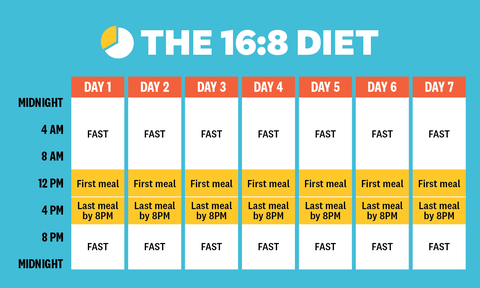
IF is an eating pattern that separates periods of fasting and eating in your day. During the fasting periods you do not consume any calories, and only drink water, black coffee or tea. A hour fasting period each day may cause beneficial metabolic changes, including weight loss, decreased insulin levels and cholesterol, and improved memory and cognition. IF primarily works by keeping insulin levels low throughout the day, which promotes the use of fat for energy instead of storage.
early signs of diabetes that shouldn’t be ignored
So when we’re talking about storing energy in the body, it’s coming from all the macronutrients that we eat — protein, carbohydrates, and fats. On this plan you eat normally for 5 days of the week, and on the remaining 2 days you reduce your caloric intake to around 500 calories. Adjusting your approach to fasting based on body type can eventually help you achieve set goals faster, eliminating the hurdles along the way. If you have diabetes, ask your doctor whether intermittent fasting is safe for you. While more research is needed on the benefits of intermittent fasting and how it may affect our health long term, there’s lots of promising data around it. Alternate-day modified fasting is eating a typical diet one day and only about 25% of your typical calories the next day.
Intermittent Fasting Diet Plan (FAQs)
Just note that this form of weight loss is usually temporary, Harbstreet says. Fasting for at least 12 hours changes how your metabolic system works. Your metabolic system is how your body changes the foods and beverages you consume into energy. Most of the time, your body gets its energy from a sugar called glucose. When you eat three meals during a day, your body maintains a steady glucose level because you’re eating and drinking frequently.
For Medical Professionals
Studies indicate that fasting may help lower LDL (bad) cholesterol and triglycerides while maintaining or even increasing HDL (good) cholesterol. After putting intermittent fasting to the test, we’ve created a simple 7-day meal plan, outlined key benefits, and shared essential tips to help make fasting safe and effective. Researchers have studied IF for decades, testing animals and humans to gather evidence of health benefits. More research is needed, especially to determine the advantages of practicing IF long-term.
Time-restricted eating
You can indulge in a treat occasionally, but that’s about it if you want to see results. Studies of intermittent fasting in people with chronic disease have resulted in better control of their conditions. However, most of these studies have been relatively brief, lasting only a few months. It’s unclear if the benefits would last years if the diet is continued throughout life.
Light cardio or strength training is generally safe, but if you feel weak or lightheaded, try eating a small protein-rich snack before your workout. Post-workout meals should include protein and healthy carbs to aid recovery. In our experience, herbal teas and black coffee (without sugar or cream) are also fantastic options that won’t break your fast. If you’re feeling sluggish or lightheaded, adding a pinch of salt to your water can help replenish electrolytes and keep your body balanced.
In some studies, people who followed this diet lost weight and had improvements in common health measures, such as cholesterol levels and markers of inflammation. If you follow this method, you should return to a normal, healthy diet on your non-fasting days. The method is cautioned by healthcare professionals due to insufficient research and an increased likelihood of negative symptoms.
No Comments